



How Electric Sweepers Support Clean Air Zones In the UK
Clean Air Zones continue to reshape how towns and cities in the UK manage transport and public infrastructure. Councils are under considerable strain to reduce pollution without compromising essential amenities because of tougher limits on emissions and growing public concern about air quality.
Street cleaning continues to be a vital obligation, although traditional methods may be at odds with environmental outcomes.
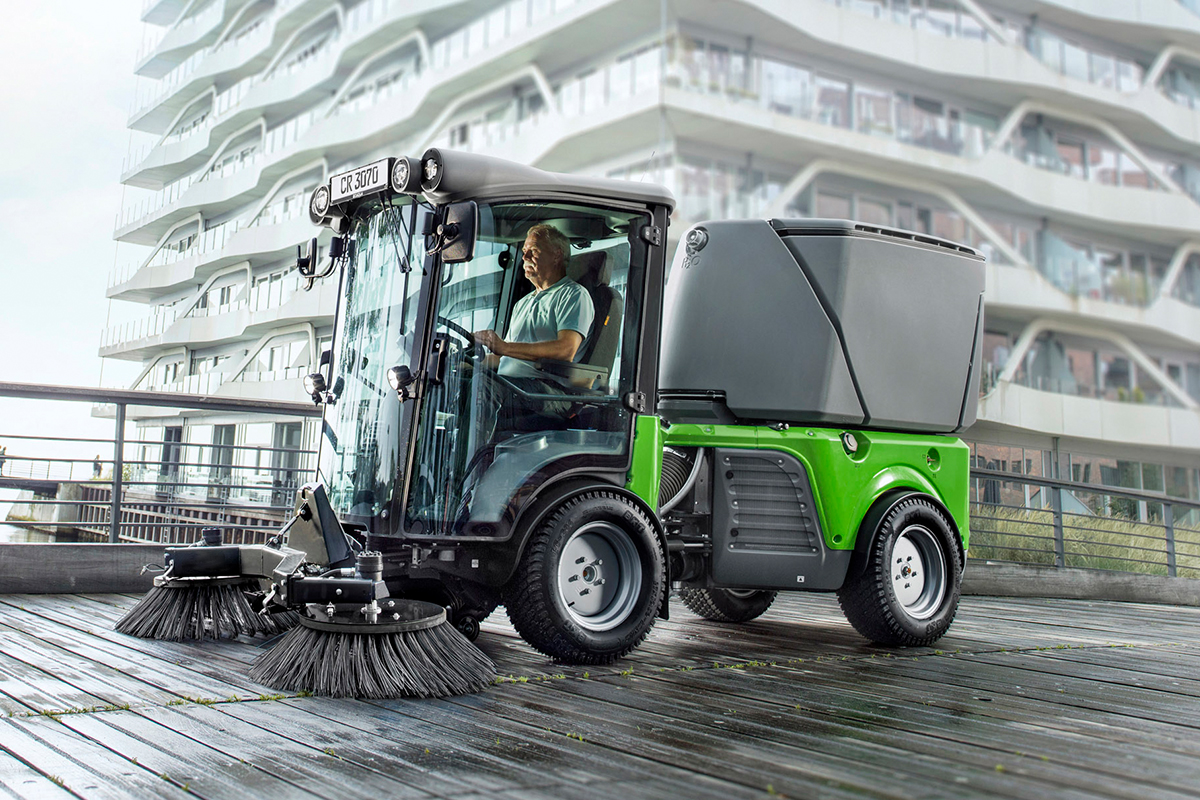
The electric road sweeper is becoming increasingly beneficial in such a scenario. Electric sweepers offer an efficient way to maintain streets while complying with air quality standards as urban regions convert to cleaner modes of transportation.
Cleanliness and compliance are becoming easier to manage with innovative technology, like electric road sweepers. Here’s how they’re contributing to the maintenance of Clear Air Zones.
What Are Clean Air Zones and How Do They Work
Clean Air Zones (CAZ’s) are designated locations where particular initiatives are implemented to improve the overall cleanliness of the air. By limiting and discouraging the use of higher-polluting motor vehicles, these zones aim to reduce nitrogen dioxide and particle emission levels. Vehicles that fail to meet emission standards might be subject to daily charges, depending on their classification.
Clean Air Zones are often established in areas of cities featuring the greatest levels of pollution and traffic, such as London or Oxford. Local authorities maintain a tab on the overall quality of air and encourage people to travel using greener alternatives. These measures may include the use of modern, low-emission machinery, cleaner vehicle fleets and the introduction of electric vehicles.
This framework is particularly relevant to street maintenance and operational services. Vehicles travelling in these zones on an everyday schedule become subject to more frequent compliance checks. As a result, it is expected that councils lead by example, making fleet decisions that align with environmental policy while continuing to deliver essential public services efficiently.
How Electric Sweepers Help Cities Meet Clean Air and Net Zero Goals
At the street level, electric road sweepers make a direct contribution to reducing emissions. Because they produce zero exhaust emissions during operation, they help tackle one of the key sources of urban air pollution. This promotes the objectives established by the Clean Air Zone without losing cleanliness or safety.
Likewise, electric sweepers boost wider Net Zero commitments. Their operation requires less dependence on fuel and thus emits lower carbon emissions. In residential areas, where routine sweeping in the early morning or during the night is essential, noise reduction gives additional value.
For decision-makers, this transition improves public perception and regulatory compliance. Cleaner streets combined with quieter operations enhance residents’ trust in neighbourhood environmental efforts.
Electric vs Diesel Sweepers – Emissions Costs and Challenges
Electric sweepers are less harmful to the environment than diesel models by reducing emissions at the point of use and helping authorities meet environmental targets. While the initial investment is high, this tends to be offset by operational costs and energy savings.
Effective route planning and charging infrastructure are important considerations when deploying electric sweepers, as deployment intervals are affected by battery range. On the maintenance side, electric systems generally experience lower mechanical wear, but servicing requirements differ depending on the model.
Diesel sweepers currently benefit from established servicing networks and familiar maintenance practices. However, they are becoming increasingly less feasible in Clean Air Zones.
With careful transition planning, you can manage costs while preparing for future compliance and sustainability regulations.
How Councils Are Adopting Electric Sweepers in 2026
Councils in the UK are steadily modernising their fleets by adding electric sweepers. Using pilot initiatives, teams may evaluate operational fit, performance, and durability before wider roll-out. Feedback from early trials highlights environmental benefits alongside improved working conditions for operators.
Strategies towards adoption range, while some councils emphasise towns and cities, others have already begun employing electric sweepers in residential Clear Air Zones. Supported by funding mechanisms and evolving legislation, the transition to electric road sweepers is increasingly viewed as a strategic decision, rather than an experimental one.
Early adopters benefit from operational expertise and public trust as standards tighten. As regulatory needs evolve through 2026, proactivity allows for simpler transitions.
Choosing Euromec’s Electric Sweepers
Clear Air Zones are here to stay. While street cleaning remains essential, the methods used to deliver it continue to change. By encouraging compliance, improving air quality, and supporting long-term environmental goals, the electric road sweeper provides a clear path forward.
Understanding how fleet and equipment choices impact compliance gives organisations greater authority over operational outcomes as expectations rise. Environmentally responsible innovations allow councils to maintain service standards without compromising value or efficiency.
For those reviewing how their fleets support Clean Air Zone goals, now is the time to explore greener alternatives that align with both current responsibilities and future priorities.
Making intelligent decisions now will benefit your reputation tomorrow.
Looking to understand how electric sweepers can support Clean Air Zone objectives? Partner with knowledgeable industry professionals like Euromec and explore suitable options for your fleet.

Nikki
Director
Nicola has worked in the cleaning machine industry for 18 years across both Sales and Service. Nicola has an comprehensive knowledge of a range of cleaning machine makes and models, and has been instrumental in the sale and servicing of machines across a vast range of applications.