



6 Safety Tips for Cleaning Machine Operators in Factories
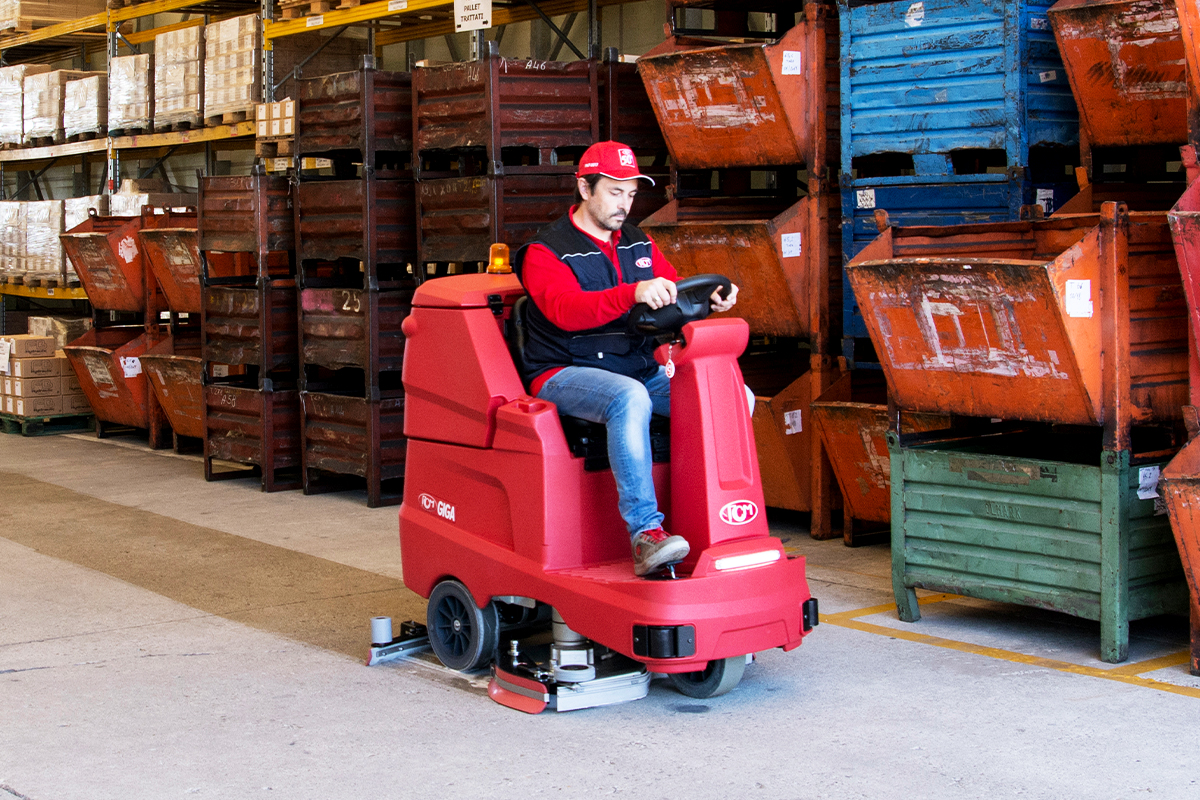
Operating cleaning machines in factories might seem routine, but it comes with its own set of risks. If you’re handling floor scrubbers, pressure washers, or industrial sweepers, safety should always be a top priority.
Even a small mistake or oversight can lead to injuries, not just for the operator but also for others working nearby. That’s why proper training and awareness, as well as precautionary steps, are essential every time these machines are used.
In this blog, we’ll walk you through some safety tips that every cleaning machine operator should follow. From checking the equipment before use to wearing the right protective gear, these tips can help prevent accidents and ensure a safer work environment.
Here’s how you can stay safe while keeping the factory floor clean and hazard-free.
1. Wear the Right Personal Protective Equipment (PPE)
Wearing the right Personal Protective Equipment (PPE) is the first step to staying safe while operating cleaning machines. Depending on the task, this can include gloves, safety goggles, non-slip shoes, ear protection, and even face masks.
PPE helps protect you from harmful chemicals, flying debris, loud noise, and slippery surfaces. However, you need to make sure your gear fits well and is in good condition before starting the work.
You should never skip PPE, even if the job seems quick or easy. It only takes one accident to cause serious injury, so always follow your company’s safety guidelines and wear the recommended protective equipment for the job.
2. Always Inspect Equipment Before Use
Before using any cleaning machine, it’s important to inspect it thoroughly. You’ll need to check for signs of damage, loose wires, leaking fluids, or worn-out parts. Make sure all safety guards and switches are working properly.
If anything looks unusual or broken, you should report it immediately and don’t use the machine until it’s fixed. Damaged cleaning equipment may not work as needed and may cause accidents or electric shocks. That’s why a quick check before starting your shift can help prevent bigger problems later.
Regular inspections will keep the machines running smoothly and keep you and your coworkers safe on the job. It’s good to make safety your first priority.
3. Follow Manufacturer Guidelines and Training Protocols
Every cleaning machine comes with manufacturer guidelines that explain how to use it safely and correctly. These instructions include important details like how to start, operate, clean, and store the equipment.
You need to always follow these guidelines, rather than guessing how a machine works. In addition, make sure you’ve completed the proper training before using any equipment. It will help you understand the safety procedures, emergency shut-off options, and how to avoid mistakes.
If you skip these steps or use a cleaning machine incorrectly, you could get injured or damage the machine. That’s why you need to stick to the rules and training protocols to keep yourself and others safe at work.
4. Keep Work Areas Clear to Prevent Slips and Trips
A clean and clutter-free work area is the key to preventing slips, trips, and falls. Before starting any cleaning task, you’ll need to remove loose objects, tools, or wires from the floor. You should also make sure walkways and machine paths are clear.
Additionally, wet floors can be slippery, so remember to use signs to warn others when cleaning is in progress. You should also avoid leaving equipment or cords in busy areas where people can trip over them.
Being mindful of your surroundings will help protect you and your coworkers. A tidy workspace will make the job easier and keep everyone safer while working around heavy equipment.
5. Use the Correct Cleaning Agents for Each Machine
Using the right cleaning agents for each machine is very important for safety and performance. Not all cleaning chemicals are suitable for every type of equipment. Using the wrong one can damage the machine, cause harmful fumes, or create slippery surfaces.
You should always check the manufacturer’s instructions to see which products are safe to use. If you’re unsure, ask a supervisor or refer to safety data sheets. Plus, remember to never mix chemicals, as this can create dangerous reactions.
Overall, as a cleaning machine operator, make sure you use the correct cleaning agents, so the machine works better and lasts longer. It’ll also protect you and your coworkers from unexpected accidents or health risks.
6. Report Faults or Hazards Immediately to Supervisors
If you notice any faults or hazards while using a cleaning machine, you need to report them to your supervisor right away. This includes things like strange noises, leaks, electrical issues, or damaged parts. Even small problems can quickly become serious if you ignore them.
You should also avoid trying to fix a fault by yourself unless you’re trained to do so. Reporting issues immediately will help prevent accidents and keep the equipment in a safe working condition. It also protects your coworkers who might use the machine after you.
Keep in mind that safety is a team effort, and speaking up about hazards ensures a more efficient workplace for everyone on the floor.
For a Safe Factory Cleaning Experience, Choose Euromec’s Machines
If you’re a cleaning machine operator, these safety tips will help you conduct your work smoothly without any risk of accidents or injuries. To find the best cleaning machines for factories, explore our collection.
At Euromec, we’re a leading supplier of high-quality industrial cleaning machines and ground maintenance equipment in the UK. Our products range from sweepers and scrubber dryers to lawnmowers and other compact machines for various sectors.
We have decades of industry experience providing durable equipment to clean warehouses, factory spaces, and outdoor areas. We’re committed to offering excellent customer service to ensure our products perform optimally.
Want to keep your industrial or commercial environments spotless? Get in touch with our experts today.