



How to Handle Unique Factory Cleaning Challenges
Cleaning a factory isn’t as straightforward as tidying up an office or home. Every factory comes with its own set of challenges, whether it’s dealing with heavy machinery, hazardous materials, or large open spaces that collect dust and grime.
For instance, some factories need deep cleaning to meet health and safety standards, while others need ongoing maintenance to keep production running smoothly.
In this blog, we’ll look at how to handle these unique factory cleaning challenges the right way. From choosing the right tools and cleaning methods to ensuring worker safety and minimising downtime, we’ll offer tips that can help factory managers and cleaning teams do the job more efficiently.
If you’re running a food processing plant or a heavy manufacturing unit, here’s how you can tackle the mess and maintain a clean, safe, and productive workspace.
1. Dealing With Hazardous Materials
One of the biggest challenges in factory cleaning is dealing with hazardous materials. These can include chemicals, oils, metal shavings, or other substances that are dangerous to touch, breathe in, or spill.
To clean them, you’ll need a reliable cleaning machine, special safety gear, proper training, and the right disposal methods. Using the wrong cleaning products or not following safety rules can lead to serious health risks or even accidents.
That’s why it’s important to have clear procedures in place and to follow local safety regulations. You should also always label hazardous materials clearly and train your staff on how to handle and clean these areas safely and responsibly.
2. High Ceilings and Hard-to-Reach Areas
Factories often have high ceilings, beams, and other difficult-to-reach areas that collect dust, debris, and even cobwebs over time. Cleaning these spots is tricky because they aren’t easy to access and may need ladders or lifts.
That said, you also can’t ignore these corners, as the dirt can build up and affect the air quality and safety. To handle this challenge, you’ll need to use equipment like extendable dusters or professional, compact cleaning machines with the right attachments.
You can also set up a regular maintenance schedule to help prevent dirt from piling up. Safety is also essential, so your workers should be trained properly and follow guidelines.
3. Cleaning Around Heavy Machines and Equipment
Cleaning around heavy machines can be quite difficult and dangerous. These machines often have tight spaces, moving parts, and electrical components that need careful handling. Dust, grease, and debris can build up around them, affecting how they work and even causing safety hazards.
Before you start your factory clean-up process, you’ll need to turn off and lock the equipment. You’ll also need to use the right tools, like sweepers with effective brushes, industrial vacuums, small pedestrian scrubber dryers or other non-corrosive cleaners, to avoid damage.
You should also make sure only your trained staff cleans around such machines, and always follow the safety rules. With regular cleaning, you can keep your factory equipment running smoothly and reduce the risk of breakdowns.
4. Removing Dust and Particle Accumulation
Dust and particle buildup is a common problem in many factories, especially in industries like woodworking, textiles, and manufacturing. These tiny particles can spread quickly and settle on surfaces, machines, and even in the air.
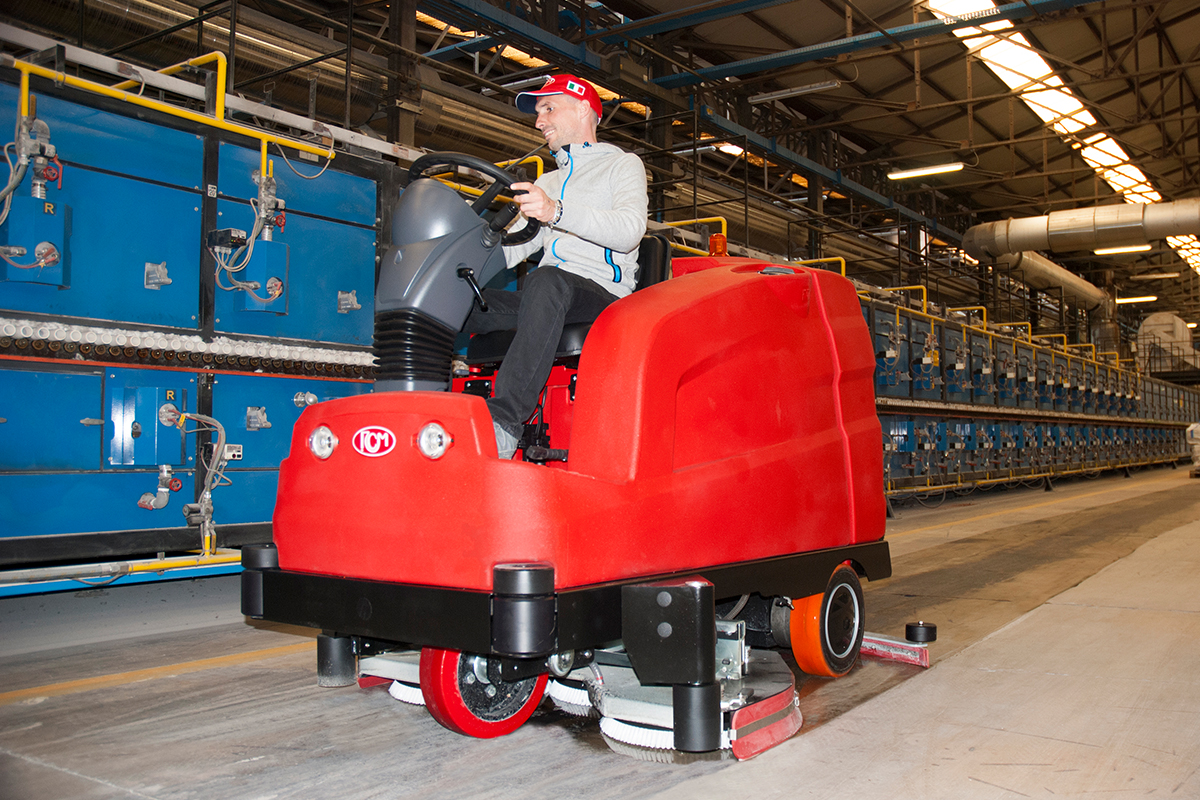
If they’re not removed regularly, they can affect product quality and damage equipment, as well as pose health risks to your workers. This is where using industrial ride-on cleaners and efficient air filtration systems, as well as following regular cleaning schedules, can help you control this buildup.
It’s also important to clean the vents and filters as often as possible. Keeping the air clean will protect your equipment while also creating a healthier work environment for everyone on the factory floor.
5. Meeting Industry Cleaning Standards
Different industries have specific cleaning standards that factories need to follow, especially in sectors like food processing, pharmaceuticals, or electronics. These rules are in place to ensure the factory is safe and hygienic and produces high-quality products.
Meeting these standards can be challenging because they often include following detailed cleaning steps, using special products and tools, and maintaining proper documentation. If you miss a step or use the wrong method, you may have to deal with fines or product recalls.
To stay compliant, factories should train their staff and follow cleaning checklists while also staying updated with industry regulations. Regular inspections and audits can also help ensure everything is done correctly and is up to the required standard.
6. Shift Schedules and Downtime
Many factories run around the clock, making it hard to find time for proper cleaning. With shift schedules and tight production timelines, there’s often not much downtime to clean without interrupting operations. Cleaning during working hours can also be unsafe and may slow down production.
To handle this challenge, it’s important to plan for a clean-up during scheduled maintenance or off-peak hours. You could also hire night cleaning crews or rotate cleaning tasks among shifts.
As long as there’s clear communication between cleaning teams and your factory staff, there’ll be no disruptions. A well-planned cleaning schedule will keep the workspace safe and clean without affecting productivity or causing unnecessary delays.
For Safe and Effective Factory Cleaning, Choose Euromec
Now that you know how to handle these factory cleaning challenges, are you ready to find the ideal machines for the job? Let us help.
At Euromec, we’re a leading supplier of high-quality industrial cleaning machines and ground maintenance equipment in the UK. Our products range from sweepers and scrubber dryers to lawnmowers and other compact machines for various sectors.
We have decades of industry experience providing durable equipment to clean warehouses, factory spaces, and outdoor areas. We’re committed to offering excellent customer service to ensure our products perform optimally. Want to keep your industrial or commercial environments spotless? Get in touch with our experts today.